Beta-carotene; my new favorite vitamin for clearer skin and reduced wrinkles!
April 11, 2024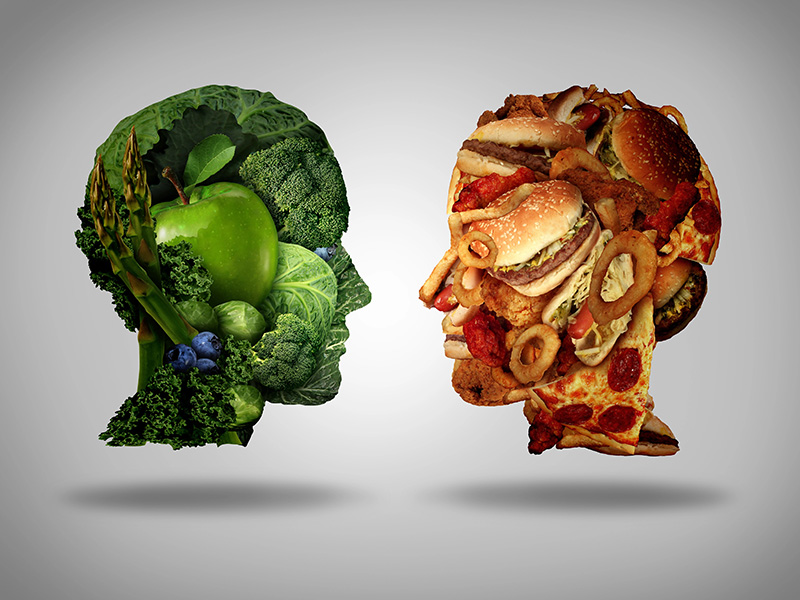
Most of us have likely heard the term “free radical” and also probably know that they’re bad news. But do we really understand what free radicals are? Understanding what they are is important. The more we understand what a free radical is and the damage they cause, the more likely we will want to do what we can to decrease them.
Technically all molecules within us should have two paired electrons. However, free radicals are missing an electron. Because of this, the free radical tries frantically to replace that missing electron. Imagine it running around like crazy trying to complete itself! Unfortunately it always finds another electron from one of our healthy molecules, stealing it to replace its missing part. When this happens, it sets off a chain reaction. The healthy molecule that is now missing an electron is acting like the crazy free radical, frantically trying to find another healthy electron to steal from another healthy molecule, all the while causing damage within us. This damage includes premature aging, lower immune function (which brings a whole host of other issues), allergies and sensitivities, inflammation in our joints and muscle resulting in arthritis, even diseases such as Parkinson’s and Alzheimer’s as well as cancer (Bartholomy, 2010).
Free radicals are created from stress, toxins we ingest like chemicals and pesticides, the standard American diet of fast foods, processed foods, sugar, alcohol, drugs, smoking, lack of nutrients, even excessive exercise and lack of sleep.These factors are referred to as oxidative stress and can be hard to avoid. However, there is good news, antioxidants can help!
Antioxidants essentially interrupt the free radical damage by sacrificing themselves and providing the missing electron to the frantic free radical (but aren’t always destroyed in the process). Through this process, they stop the chain reaction the free radical started. The more antioxidants we consume, the more fighting power our body has against free radical damage. Antioxidants can be found in our highly colored fruits and veggies, the A, C, and E vitamins and from our minerals selenium and zinc.
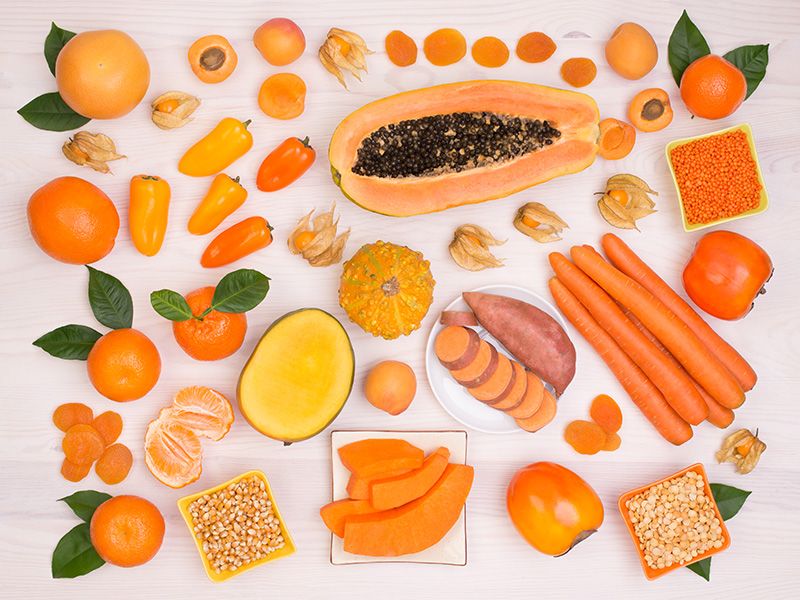
Some whole foods suggestions are dark leafy greens, berries, brightly colored veggies like carrots, red, yellow and orange peppers, citrus fruits, nuts and seeds. Essentially focus on eating real whole food, the nutrients work synergistically in many different ways (as nature intended). As well, cut back on your refined sugars, processed foods and alcohol. You can supplement with vitamins too, but make organic, whole foods your primary source of these antioxidants.
Cheers to your health!
Tia Power
Bartholomy, Paula. “Antioxidants”. 2010